
Three Volatility Slot Beliefs That Mislead Malaysian Players
Three Volatility Slot Beliefs That Mislead Malaysian Players The scene plays out on a phone screen every evening across Kuala Lumpur and Singapore: a player loads a high-volatility slot, watches the b...
Three Volatility Slot Beliefs That Mislead Malaysian Players
The scene plays out on a phone screen every evening across Kuala Lumpur and Singapore: a player loads a high-volatility slot, watches the balance climb past the original deposit, feels the rush of a 200× trigger, then confronts the empty account 20 minutes later with no memory of where it went.
That outcome is not exceptional. It is the statistical default for players who choose high-volatility titles without understanding how the volatility label translates into actual session behaviour.
HHGG2 serves as an authorised agent and aggregator for the Malaysian and Singaporean market, connecting players with Mega888, 918Kiss, Pussy888, Live22, and dozens of other platforms through a single interface. Part of that service involves helping players make informed platform selections, and few topics generate more confusion than volatility. This article examines three widespread beliefs that deserve closer inspection.
Photo by Jonathan Borba on Pexels
What "Volatility" Actually Describes
Volatility — sometimes labelled variance in game design documentation — measures how a slot's payouts distribute across time rather than how much the game returns overall. This distinction is the source of nearly every misconception in the space.
A low-volatility slot produces frequent small hits. A player might hit three or four triggers in a 50-spin window, with each win ranging from 0.5× to 3× the base stake. The account balance moves in small increments, rarely spiking or diving dramatically.
A high-volatility slot behaves differently. Hit frequency drops noticeably. Players regularly encounter stretches of 50, 80, or more consecutive dead spins. When a bonus or free rounds feature finally triggers, the payout tends to be substantially larger in absolute terms — sometimes reaching 100× to 5,000× the stake on a single round.
Neither pattern implies a higher long-term return. Both can operate at the same theoretical RTP figure, and in the long run — measured across millions of spins — they converge to that identical RTP. The difference is entirely in how returns are distributed across time, which directly shapes the player's experience during any given session.
Myth 1: Bigger Single Wins Mean More Money Overall
The most common belief goes like this: low-volatility slots pay often but in small amounts, while high-volatility slots pay rarely but in large amounts — so a high-volatility title is the better route to meaningful winnings.
This reasoning skips a critical step. Large individual wins from high-volatility games are large relative to other rounds in the same game — not large enough to automatically compensate for the extended dead spins that precede them. A player spending RM 10 per spin on a high-volatility title versus RM 1 per spin on a low-volatility alternative is not comparing the same session risk, and the label "high volatility" does not equal "more profitable."
When bonus rounds do trigger, they can produce amounts that look transformative — a single 500× spin stands out dramatically against the surrounding dead spins. But those surrounding dead spins cost money, and a slot's volatility rating says nothing about how long the dry stretches will last or whether they fall during any given player's session. This is why experienced players talk about volatility as a session-shaping property rather than a predictor of positive expected value.

Photo by Pavel Danilyuk on Pexels
Myth 2: Identical RTP Means Identical Outcomes
Return to Player (RTP) represents the theoretical proportion of total wagers a slot returns to players over an extremely large sample. If a game lists 96.5% RTP, that figure is calculated across millions of simulated spins and reflects long-run behaviour. Two slots — one high volatility, one low — can both carry 96.5% RTP and produce completely different player experiences.
This distinction matters because many players in Malaysia and Singapore treat RTP percentage as the primary selection criterion, assuming a higher number directly translates to better short-term results. In practice, RTP describes what happens to a large population of players across many sessions, not what happens to any individual player in a single 30-minute session.
The practical consequence: a high-volatility slot at 97% RTP can and does produce catastrophic short-term results for individual players, while a low-volatility slot at 94% RTP may deliver a more stable session experience. The volatility classification determines how bumpy the ride is; the RTP figure determines where the vehicle is ultimately heading statistically. Both metrics matter, but they measure different things.

Photo by Elian Emanuel Coutinho Roehrs on Pexels
Myth 3: Spin Value Is Secondary to Volatility
Many players focus on volatility as the key variable when selecting a slot, treating game mechanics as the primary consideration. A more useful framework in practice is to lead with spin value — how much you wager per spin relative to your total session budget — and treat volatility as a secondary constraint.
Spin value determines how many rounds you can afford to play in a given session. A player working with MYR 200 for the evening has different options depending on whether they bet MYR 2 per spin (100 spins) or MYR 0.50 per spin (400 spins). More spins means more exposure to the slot's distribution curve, which is statistically favourable whether the game is high or low volatility.
Volatility then shapes how those spins play out. High-volatility slots demand larger spin budgets to survive the longer dry stretches. Low-volatility slots allow smaller bet sizes while maintaining more consistent balance movement. Neither approach is inherently superior; the right choice depends on the player's budget, time horizon, and risk comfort.
HHGG2's aggregated platform lets players explore this relationship directly by switching between titles with different volatility profiles — including high-volatility games available through the Mega888 and 918Kiss libraries — without needing separate accounts for each.

Photo by Hani Salama on Pexels
Making an Informed Choice at HHGG2
Volatility is a genuine property of slot design, and high-volatility games do produce the kinds of large individual wins that make sessions memorable. The misconception lies in treating that potential as a reliable return driver rather than a statistical distribution pattern.
Players who approach volatility with a clear understanding of what the label means — and what it does not — are better positioned to match their game selection to their actual budget and session goals. Low-volatility slots suit players who want extended play with balanced risk; high-volatility titles suit those with larger budgets who can absorb dry stretches in exchange for the chance at larger per-trigger payouts.
HHGG2's role as an authorised aggregator means players in Malaysia and Singapore can access this range of titles through a single registered account, compare volatility profiles across platforms, and reach 24/7 support by phone at 60196464647 or email at [email protected] for personalised game guidance. Explore HHGG2's full catalogue and open your account to start comparing volatility profiles across the platform.
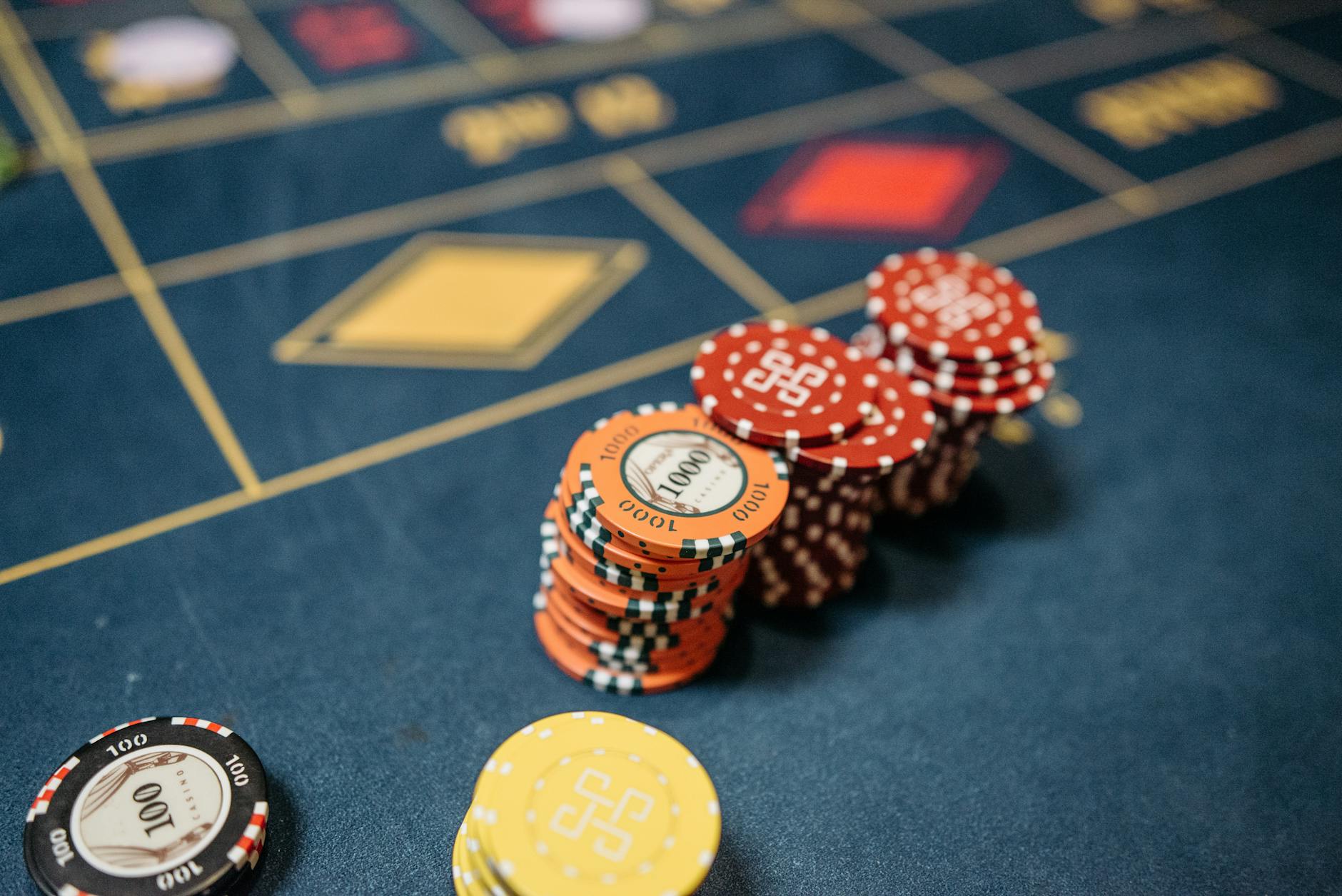
Photo by Pavel Danilyuk on Pexels
FAQ: Volatility Slots in Malaysia and Singapore
What does volatility mean in a slot game?
Volatility describes how a slot's mathematical return distributes across spins. High volatility means infrequent but large hits; low volatility means frequent but small hits. It does not change the game's theoretical long-term RTP.
Do high-volatility slots pay more overall?
No. Two slots with identical RTP can have different volatility ratings, and both will converge to the same long-run return. The difference is in how that return is distributed across individual spins, not the total amount returned.
Are Mega888 and 918Kiss high-volatility games available through HHGG2?
Yes. HHGG2 provides access to a wide selection of games across Mega888, 918Kiss, and other major platforms, including titles spanning different volatility profiles. Players can explore different volatility levels through a single HHGG2 account.
How does HHGG2 help players choose the right slot?
HHGG2 serves as an authorised agent and aggregator, providing access to multiple gaming platforms through one account with 24/7 customer support available to assist with game selection questions.
HHGG2 is an online gaming platform intended exclusively for adults aged 18 years and above. Access by minors is strictly forbidden.
HHGG2 operates as an authorised agent and aggregator for the listed gaming platforms. Players are responsible for ensuring that their use of HHGG2 is lawful within their country or territory of residence. HHGG2 does not accept accounts from jurisdictions where online gambling is prohibited.
HHGG2 strongly cautions all players against dealing with unauthorised operators or counterfeit platforms using our brand name or identity. Always verify the authenticity of any HHGG2 sub-line or agent by contacting our official customer service team before making any deposit or registration.
All gaming activities conducted through HHGG2 carry inherent financial risk. Players should gamble responsibly and only wager amounts they can afford to lose. If gambling is causing distress, please seek professional help.